 edeale


UK Drone Laws: Every Common Question, Answered Directly
This page answers the specific questions people actually search for about flying drones in the UK — licence requirements, legal status, height limits, and more — in a quick-reference format.
For the full narrative explanation of how these rules fit together, see edeale’s complete UK drone rules guide. This page is the fast-answer version: one question, one direct answer, sourced from current CAA guidance.
- Licence, permit, and registration questions
- Where and how high you can legally fly
- Private property and privacy questions
- Plane travel and FPV drone questions
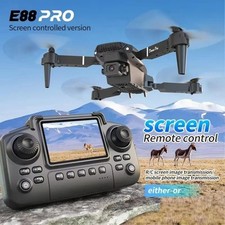
E88PRO Drone 8K 5G Professional HD Dual Camera Aerial Photography Aircraft15000M
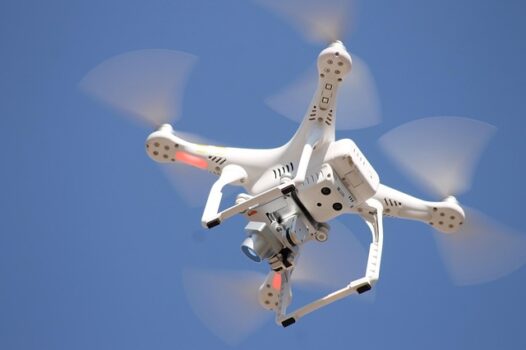
Flying a drone in the UK is legal if you register correctly (Flyer ID and/or Operator ID depending on weight and camera), stay under 120m, keep it in visual line of sight, avoid restricted airspace and crowds, and respect privacy law even where CAA rules are satisfied. Full detail below.
UK Drone Laws: Frequently Asked Questions
Are drones legal in the UK?
Yes, flying a drone in the UK is legal as long as you follow CAA rules: register for a Flyer ID and Operator ID where required, stay under 120m altitude, keep the drone in visual line of sight, and avoid restricted airspace and crowds.
Do you need a licence to fly a drone in the UK?
There’s no traditional pilot’s licence for recreational flying. Instead, most camera drones over 100g need a free Flyer ID (an online theory test) and a paid Operator ID (annual registration for anyone 18 or older).
Do you need a license to fly a drone? (US spelling)
Same answer regardless of spelling — in the UK it’s “licence,” and the requirement is a Flyer ID and Operator ID for most camera drones over 100g, not a traditional licence.
Do you need a permit to fly a drone in the UK?
For standard open-category recreational flying, no separate permit is needed beyond Flyer ID/Operator ID registration where applicable. Permits become relevant for commercial operations or more advanced specific-category flying.
Where can you fly a drone in the UK?
Almost anywhere outside Flight Restriction Zones around airports, airfields, and other protected airspace, provided you stay under 120m, keep the drone in direct visual line of sight, and don’t fly over crowds. Always check current local restrictions before flying.
Where can I fly my drone near me?
Open spaces well away from airports, crowds, and restricted airspace generally work, but “near me” always depends on local Flight Restriction Zones — check an official airspace map for your specific location before every flight, not just once.
How high can a drone fly in the UK?
120 metres (approximately 400 feet) above the ground for standard open-category flights, measured from the ground directly below the drone, not from your launch point.
How far can a drone fly?
This depends on the specific drone’s transmission range and battery life, not UK law. Legally, you must keep the drone within direct visual line of sight at all times regardless of its technical range.
What is a drone?
A drone is an unmanned aircraft controlled remotely or that flies autonomously using onboard systems, without a pilot on board. The term covers everything from small consumer camera drones to large military aircraft.
What are drones used for?
Common uses include aerial photography and video, surveying and mapping, agriculture, inspection of structures like roofs and power lines, search and rescue, delivery trials, and recreational flying.
When were drones invented?
Remote-controlled unmanned aircraft date back to the 1930s — the British “DH.82B Queen Bee” radio-controlled target aircraft, first flown in 1935, is widely credited as the origin of the term “drone,” a play on its name. Modern camera drones as consumer products are a much more recent development, becoming widely available from the early-to-mid 2010s onward.
Can you fly a drone over private property in the UK?
Overflight alone isn’t automatically illegal — there’s no blanket ban on flying over someone’s garden or land. But CAA airspace rules still apply everywhere, and separately, UK privacy and nuisance law can apply regardless of airspace compliance. Hovering low or filming through windows can cross legal lines even on a CAA-compliant flight.
Is it illegal to fly a drone over private property?
Not automatically. It becomes a legal problem when it involves invasion of privacy (filming into homes or gardens), nuisance (repeated low hovering, noise, harassment-like behaviour), or a genuine safety risk — not simply because the drone crossed over someone’s land.
Can you take a drone on a plane?
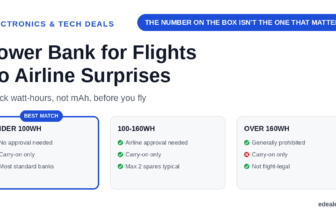
Generally yes, but airline-specific hand luggage and lithium battery rules apply. Spare drone batteries typically must travel in hand luggage rather than the hold, and there are watt-hour limits that vary by airline. Always check your specific carrier’s policy before flying with a drone.
What are FPV drones?
FPV (first-person view) drones stream a live video feed from an onboard camera to goggles or a screen, so the pilot flies as if seated inside the aircraft rather than watching from the ground. They’re a distinct category from standard camera drones, often built for racing or immersive, acrobatic flying, and the same UK registration rules apply based on weight and camera presence.
How do you fly a drone?
Most modern consumer drones fly via a smartphone app or dedicated remote controller, with autonomous stabilisation handling the hard part. Beginner-friendly models add features like palm takeoff and beginner modes that limit speed and altitude while you learn.
Do I need an Operator ID for every drone I own?
No — one Operator ID can cover multiple aircraft. You register once (if you’re 18 or older) and label that ID on each drone you fly that requires it.
How big are military drones?
It varies enormously. Small tactical reconnaissance drones can be hand-launched and weigh only a few kilograms, while large surveillance aircraft like the RQ-4 Global Hawk have a wingspan of roughly 40 metres, comparable to a passenger airliner. This is a very different category from the consumer camera drones covered elsewhere on this page.
Thinking About Getting Your First Drone?
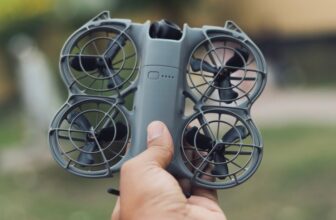
DJI Neo

A genuinely beginner-friendly starting point — 135g, controller-free, palm takeoff — though it still needs a Flyer ID and Operator ID under the rules on this page.
Key Takeaways
- "Licence" is the wrong word. The real requirements are a Flyer ID and Operator ID, not a traditional licence.
- 120m is measured from the ground below the drone. Not from your own launch point.
- Private property overflight isn't automatically illegal. But privacy and nuisance law apply separately from CAA airspace rules.
- One Operator ID covers multiple aircraft. You don’t need to re-register for every drone you own.
For the complete rules explained in order, see edeale’s flying drones in the UK rules guide. To compare real drones by registration tier, see the DJI Neo vs Mini vs Air comparison, and for a closer look at a real sub-250g option, read the DJI Neo drone review, or browse edeale’s best camera drones roundup for more picks.
For more real, verified picks across categories, see edeale’s best wireless earbuds deals, best student laptop deals, and best streaming device deals.
edeale also tracks the Electronics & Tech Deals hub, the best VPN deals, and the best camera drones roundup plus edeale’s live, verified deals feed.
See Real Drones by Registration Tier
Compare current UK listings for the DJI Neo, Mini, and Air 3 by weight and rules, not just price.

Eonvy Air+ V198 GPS Drone with 2 Batteries | 8K Camera | 3km Distance | 360° OAS



Conclusion
Most of the confusion around UK drone law comes down to two things: people looking for a “licence” that doesn’t exist in the form they expect, and outdated claims about small drones being exempt from registration. Get the Flyer ID and Operator ID sorted for your specific drone’s weight and camera, respect the height and privacy boundaries, and the rest is straightforward.