 edeale
DJI Neo vs Mini vs Air 3: The Comparison Nobody Else Frames Right
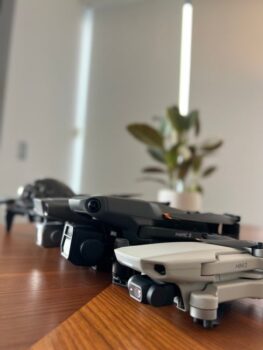
Most DJI comparisons rank these by price or camera quality. The more useful question for a UK buyer is what changes as you move up in weight, because that's what actually determines your registration obligations and how you're allowed to fly.
The DJI Neo and DJI Mini both sit under 250g and land in the same UK registration tier despite a big size difference between them. The Air 3 crosses into the 250g+ tier entirely, which changes both the registration requirement and the operational subcategory rules that apply.
- Real specs side by side: weight, flight time, camera, range
- Why Neo and Mini share a registration tier despite the size gap
- What actually changes once you cross into the Air 3's weight class
- Which one fits your actual flying habits, not just your budget
The DJI Neo (135g) and DJI Mini (under 249g) both fall in the UK’s 100g-250g camera-drone tier — both need a Flyer ID and Operator ID. The DJI Air 3 (720g) needs the same two registrations regardless of its camera, plus it falls under different A1/A2/A3 distance-from-people rules due to its higher weight class. Pick based on flight time and range you actually need, not just price.
Specs Side by Side
DJI Neo

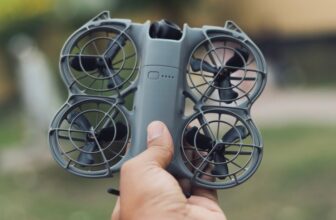
135g, palm takeoff, controller-free operation, 4K/30fps, approx. 18 min flight time, ~50m WiFi range.
DJI Mini 4K

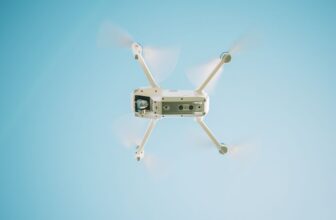
Under 249g, 4K UHD video, approx. 31 min flight time, up to 10km transmission range with a proper remote controller.
DJI Air 3

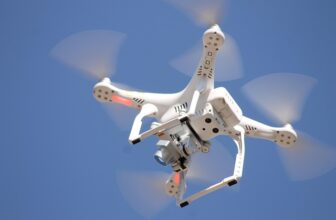
720g, dual-camera system, approx. 46 min flight time — a genuinely different weight class with different registration and operational rules attached.
Which Registration Tier Are You Actually Buying Into?
100g-250g with a camera (Neo, Mini): Flyer ID + Operator ID required. 250g and above (Air 3 and heavier): Flyer ID + Operator ID required regardless of camera, plus distance-from-people rules that vary by A1/A2/A3 subcategory. See edeale’s full UK drone rules guide for the complete detail.
DJI Neo vs Mini vs Air: Frequently Asked Questions
Is the DJI Neo in the same registration tier as the DJI Mini?
Yes. Both sit in the UK’s 100g-250g camera-drone tier, so both require a Flyer ID and an Operator ID despite the significant difference in size and capability.
Does the DJI Air 3 need different registration than the Mini?
It needs the same two registrations (Flyer ID, Operator ID), but at 720g it sits in a different weight class with different distance-from-people rules depending on the operational subcategory.
Which has better flight time: Neo, Mini, or Air 3?
The Air 3 leads at approximately 46 minutes, the Mini follows at approximately 31 minutes, and the Neo trails at approximately 18 minutes.
Which DJI drone has the longest range?
The Mini reaches up to 10km with its remote controller, far beyond the Neo’s approximately 50m WiFi-only range. The Air 3 also uses a long-range remote system, well beyond the Neo.
Is the DJI Neo worth buying over the DJI Mini?
If you want the lowest-friction, controller-free experience for casual content, yes. If you need range or flight time, the Mini is the better buy for a similar registration burden.
Is the DJI Air 3 overkill for a beginner?
For a first drone, probably. Its dual-camera system and longer flight time suit more serious or repeated use rather than occasional casual flying.
Do all three drones need a Flyer ID?
Yes — all three are camera drones over 100g, so all three require a Flyer ID and an Operator ID under current UK rules.
What's the real difference between the Neo and Mini beyond weight?
Range and flight time are the biggest practical gaps — the Mini’s remote controller and larger battery give it roughly double the flight time and vastly more range than the Neo’s phone-only, WiFi-based control.
Key Takeaways
- Neo and Mini share a registration tier. Both need Flyer ID and Operator ID despite the size gap between them.
- Air 3 is a genuinely different weight class. Same core registrations, but different distance-from-people rules apply.
- Range is the biggest practical gap. Mini reaches up to 10km; Neo is limited to roughly 50m of WiFi range.
- Pick by flying habits, not just price. Casual and social use suits the Neo; anything needing range or endurance suits the Mini or Air 3.
For the full legal picture behind these tiers, see edeale's flying drones in the UK rules guide and UK drone laws FAQ. For a closer look at the smallest option here, read the DJI Neo drone review, or browse edeale's best camera drones roundup for more picks.
For more real, verified picks across categories, see edeale's best wireless earbuds deals, best student laptop deals, and best streaming device deals.
edeale also tracks the Electronics & Tech Deals hub, the best VPN deals, and the best camera drones roundup plus edeale's live, verified deals feed.
See Current Prices for All Three
Compare real, current UK listings for the DJI Neo, Mini, and Air 3 before you decide.
Conclusion
Weight, not price, is what actually determines your registration obligations here. The Neo and Mini cost differently but sit in the same legal tier, so the real decision between them is range and flight time. The Air 3 is a step into a different weight class entirely, with the endurance and dual-camera flexibility to match — and the extra rules that come with it.