 edeale
Flying Drones in the UK: What the Rules Actually Say
Most of what circulates online about UK drone rules is either out of date or was never quite right. The "under 250g means no rules" claim is the biggest offender.
This guide covers where you’re legally allowed to fly, who actually needs a Flyer ID and Operator ID, the real height and distance limits, and what UK law says about flying over someone’s garden or private property, which is a genuinely different question from CAA airspace rules. It’s built around the current Drone and Model Aircraft Code, cross-checked against the CAA’s own guidance.
- Who needs a Flyer ID and Operator ID, and at what drone weight
- The real height and distance limits, not the rounded numbers
- Where you can and can't fly, including near airports
- What the law actually says about flying over private property
- Taking a drone on a plane and flying it abroad
Drones under 100g are largely exempt from registration. Between 100g and 250g, you need a Flyer ID if the drone has a camera, and an Operator ID too. Above 250g, both are required regardless of camera. Maximum height is 120m (400ft) above ground, you can’t fly over crowds, and you need to keep the drone in direct visual line of sight at all times. Flying over private property isn’t automatically illegal, but privacy and nuisance law apply separately from CAA airspace rules.
Who Actually Needs a Flyer ID and Operator ID
Registration by Weight Tier
The Flyer ID is free, done online, and tests basic safety knowledge. It's tied to the person flying. The Operator ID costs a small annual fee, must be held by someone 18 or older, and is tied to the drone itself (the same Operator ID can cover multiple aircraft). A person under 18 can still fly, but the drone needs to be registered under an adult's Operator ID.
Height, Distance, and Where You Can Fly
The maximum height for open-category drone flights in the UK is 120 metres (about 400 feet) above the ground — not above sea level, and not above your own launch point if the terrain slopes. You must keep the drone within direct visual line of sight at all times, without binoculars or other aids (ordinary glasses are fine), and you cannot fly over crowds of people at any height. Distance requirements from uninvolved people vary by subcategory, but staying well clear of anyone not involved in your flight is the safe default.
You can’t fly near airports, airfields, or heliports without permission. These are protected by Flight Restriction Zones (FRZs). Temporary restrictions also appear around major events, emergencies, and other sensitive situations. Always check current airspace restrictions for your specific location before flying, not just once when you buy the drone.
Can You Fly a Drone Over Private Property?
There's no blanket law making it illegal to fly a drone over someone's private property in the UK — overflight alone isn't automatically a crime. But that doesn't mean anything goes. CAA airspace rules still apply everywhere (don't endanger people or property, never fly over crowds), and separately, UK privacy and nuisance law can apply regardless of airspace compliance. Hovering low over someone's garden, pointing a camera through windows, or repeated low passes that interfere with someone's enjoyment of their property can all cross into privacy or nuisance territory even if the flight itself follows every CAA rule.
A Practical Pre-Flight Checklist
-
Get your Flyer ID if the drone needs one
Free, online, roughly 20-30 minutes for the theory test.
-
Register for an Operator ID if required
Small annual fee, must be 18 or older, label it on the aircraft.
-
Check current airspace restrictions before every flight
Not just once — temporary restrictions change.
-
Respect people's privacy even where CAA rules are satisfied
Avoid hovering over gardens or filming through windows.
-
Get landowner permission wherever practical
Not always legally required, but avoids disputes before they start.
This covers the basics — always check the current CAA Drone Code for the full, authoritative rule set before flying.
A Real Example: Where the DJI Neo Fits
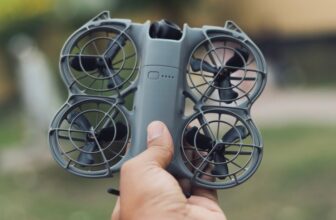
DJI Neo Drone (Brand New/Unused) Includes Aircraft, 1 Battery, Charger & More

At 135g, the DJI Neo sits in the 100g-250g camera-drone tier, meaning it still needs both a Flyer ID and an Operator ID despite being genuinely pocket-sized. It’s a useful real example of how “small” and “unregulated” aren’t the same thing in current UK rules.
Buying secondhand or open-box to save money? edeale's open-box electronics guide covers what to check on warranty and returns before you buy a drone that way.
UK Drone Rules: Frequently Asked Questions
Where can you fly a drone in the UK?
Almost anywhere outside of Flight Restriction Zones (airports, airfields, restricted airspace), as long as you stay under 120m, keep the drone in visual line of sight, and don’t fly over crowds. Always check current local airspace restrictions before flying.
Do you need a licence to fly a drone in the UK?
There’s no traditional “licence” for basic recreational flying, but most camera drones over 100g need a Flyer ID (a free online theory test) and an Operator ID (a small paid annual registration).
How high can a drone fly in the UK?
120 metres (about 400 feet) above the ground for standard open-category flights, measured from the ground below the drone, not from your own launch point.
How far can a drone fly?
This depends entirely on the specific drone’s transmission range and battery life, not UK law — legally, you must keep it within direct visual line of sight regardless of how far it’s technically capable of flying.
Can you fly a drone over private property in the UK?
Overflight alone isn’t automatically illegal, but privacy and nuisance law apply separately from CAA airspace rules — hovering low over a garden or filming through windows can cross legal lines even if the flight itself is CAA-compliant.
Do you need a permit to fly a drone?
For most recreational open-category flying, no separate permit is needed beyond Flyer ID/Operator ID registration where applicable — permits become relevant for more advanced commercial or specific-category operations.
Can you take a drone on a plane?
Generally yes, but airline-specific hand luggage and lithium battery rules apply — spare batteries typically must travel in hand luggage, not the hold, and there are watt-hour limits. Check your specific airline’s policy before flying, since it varies.
What are FPV drones?
FPV (first-person view) drones stream a live camera feed to goggles or a screen so the pilot flies as if seated in the aircraft, rather than watching it from the ground. They’re a distinct category from standard camera drones and often used for racing or immersive flying.
Key Takeaways
- "Under 250g means no rules" is outdated. Camera drones from 100g-250g still need a Flyer ID and an Operator ID.
- 120m is the real height limit. Measured from the ground below the drone, not your launch point.
- Private property overflight isn't automatically illegal. But privacy and nuisance law apply separately from CAA rules.
- Airspace restrictions change. Check before every flight, not just once when you buy the drone.
- Airline rules for drone batteries vary. Check your specific carrier before flying with a drone.
For a closer look at a real sub-250g drone and how it fits these rules, see edeale's DJI Neo drone review and the DJI Neo vs Mini vs Air comparison for how the rules change as drones get heavier. edeale's UK drone laws FAQ covers more specific questions in detail, and edeale's best camera drones roundup compares more real options.
edeale also tracks the Electronics & Tech Deals hub and edeale's guide to finding genuine deals for current drone pricing.
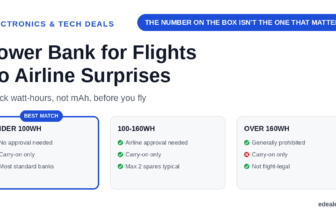
If you're planning to fly abroad, edeale's power bank and battery rules for flights guide covers the same lithium-battery airline restrictions that apply to spare drone batteries.
See Real Drone Picks and Current UK Prices
Check edeale’s drone review and comparison for real, current UK listings before you buy.
Conclusion
The core UK drone rules are simpler than the myths suggest, but the details matter: registration depends on weight and whether there’s a camera, the 120m height limit is measured from the ground below the drone, and private property rules come from privacy and nuisance law, not a blanket airspace ban. Check current airspace restrictions before every flight, and register correctly for your specific drone’s weight tier before you take off.