 edeale

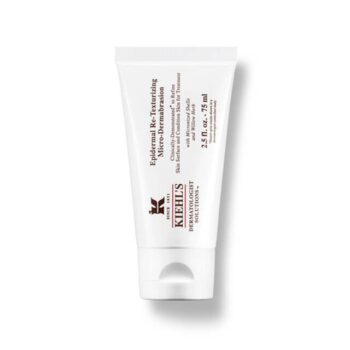
Kiehl's Epidermal Re-Texturizing Micro-Dermabrasion Exfoliator: Price Check
This is a gentle, physical exfoliator, not a chemical peel — the difference matters for anyone with sensitive skin deciding whether it's the right next step.
We checked the current live UK price for Kiehl’s Epidermal Re-Texturizing Micro-Dermabrasion Exfoliator and what it actually does, so you can decide if it’s worth adding to a routine before comparing it against other exfoliators.
- What "micro-dermabrasion" actually means for a leave-on facial scrub
- The current real UK price, not a manufacturer list price
- Who this product genuinely suits, and who it doesn't
- How it differs from a chemical exfoliant, in plain terms
Kiehl’s Epidermal Re-Texturizing Micro-Dermabrasion Exfoliator is a physical exfoliant using fine mineral particles rather than acids, which makes it a gentler entry point for smoothing texture than a chemical peel — worth it if you specifically want that gentler mechanism, not a universal upgrade over acid-based exfoliants for every skin type.
Kiehl's Epidermal Re-Texturizing Micro-Dermabrasion Exfoliator

Physical exfoliant for smoother-looking skin texture
A mineral-particle facial scrub designed to physically buff away surface texture, rather than dissolving it with acids the way a chemical exfoliant does.
Specifications
- Physical exfoliation is easier to control and rinse off than a leave-on chemical acid
- No acid percentage to research or build tolerance to before use
- Straightforward to fit into an existing routine as an occasional step, not a daily one
- Physical scrubs can still cause micro-tears if used with heavy pressure — technique matters more than with a chemical exfoliant
- Doesn’t address deeper texture or pigmentation concerns the way a sustained chemical exfoliant routine can
- “Designed to” claims on the packaging mean results, not a guarantee — response varies by skin
Physical versus chemical exfoliation, in plain terms
A physical exfoliant like this one removes surface skin cells through gentle mechanical friction — fine particles buffed across the skin, then rinsed away. A chemical exfoliant (an AHA or BHA, for example) instead uses an acid to dissolve the bonds holding dead skin cells together, working without any scrubbing motion at all. Neither is universally "better" — physical exfoliation gives you more direct control over pressure and duration, while chemical exfoliation can reach more evenly across the skin without relying on manual technique. People with very reactive or broken skin barriers are often advised toward chemical exfoliants used sparingly, since physical scrubbing on compromised skin can make irritation worse; people who find acids sting or who want a simpler routine sometimes prefer a physical option instead.
Apply a small amount to a discreet area (behind the ear or on the inner forearm) and wait 24 hours before using it on your face for the first time — standard advice for any new exfoliating product, physical or chemical.
We haven’t independently tested this product’s exfoliating claims in a lab. This guide covers what it is, what Kiehl’s states it does, and its current real UK price — not an independent efficacy verdict.
Kiehl's Epidermal Exfoliator: frequently asked questions
What does "micro-dermabrasion" mean on a leave-in-shower product?
It refers to the physical exfoliation method — fine mineral particles that mechanically buff the skin’s surface, distinct from the professional in-clinic micro-dermabrasion treatment the name borrows from.
Is this gentler than a chemical exfoliant like an AHA or BHA?
Generally yes in the sense that you control the pressure and duration directly, though physical exfoliation can still irritate skin if used too roughly or too often.
How often should I use a physical exfoliator like this?
Follow the packaging’s stated frequency — physical exfoliants are typically used less often than daily-use chemical exfoliants, commonly a few times a week at most.
Can I use this if I have sensitive skin?
Kiehl’s states it suits most skin types, but a patch test is genuinely worth doing first given how individual skin reactivity is.
Does this replace a chemical exfoliant in a routine?
It can serve a similar broad goal (smoother texture) through a different mechanism — some people use one or the other, some alternate, depending on what their skin tolerates.
Is the eBay UK price the same as buying direct from Kiehl's?
Prices vary by seller and change over time — always check the current listed price against Kiehl’s own site before assuming a marketplace listing is the better deal.
Key takeaways
- Physical, not chemical Uses mineral particles for mechanical exfoliation, not an acid-based chemical process.
- Gentler by design, not by guarantee More controllable than a chemical exfoliant, but technique and pressure still matter.
- Patch test first Standard advice before any new exfoliating product touches your face for the first time.
- Check the current price before buying Marketplace prices move — confirm today’s figure rather than trusting a remembered one.
Browse more real, current-priced skincare picks
See live UK pricing across our Health & Beauty comparisons.