

 edeale
Best Cheap Electronics and Gadgets Worth Buying in the UK (2026)
Cheap electronics fall into two categories: genuinely good value, or a false economy that fails within a year. The difference usually comes down to which specific product, not which price bracket.
We looked at where UK shoppers actually find reliable budget electronics — dash cams, power banks, smart home gear, streaming devices — and which categories tend to hold up at a low price versus which ones are a gamble. This isn’t a single product list; it’s a guide to which cheap-electronics categories are safe bets and which need more scrutiny before you buy.
- Which budget electronics categories are genuinely reliable at a low price
- Where cheap and dangerous cross over — and how to tell the difference
- Real UK price ranges for the electronics people search for as "cheap"
- When paying more actually buys you something, not just a brand name
Search for "cheap electronics" or "cheap gadgets" in the UK and you'll get results spanning a £5 phone case and a £180 drone. That range is the whole problem: "cheap" describes a price, not a quality level, and treating the two as the same thing is how people end up with a power bank that swells up after three months or a smart plug that stops connecting to its own app.
Where cheap electronics are a genuinely safe bet
Some product categories have matured to the point where even the budget end works reliably, because the core technology is cheap to manufacture well and there's not much to get wrong.
Categories where budget pricing rarely means a compromise
Where cheap crosses into risky
The categories worth being careful with are the ones where safety, not just performance, is on the line — anything with a rechargeable lithium battery inside a sealed case, and anything that connects to your home network with access to your data.
Cheap electronics myths vs reality
A power bank with no listed cell brand or safety certification is a genuine fire risk, not just a slow-charging inconvenience — this is a safety category, not a performance one
UK trading standards bodies have specifically flagged uncertified lithium battery products sold through third-party marketplace listings
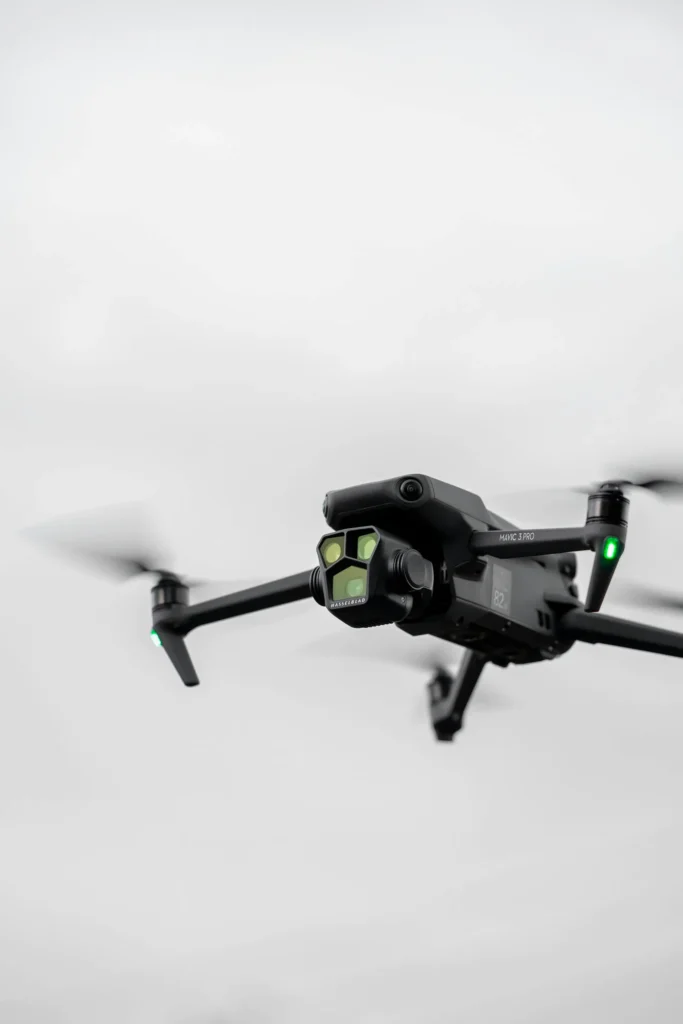
Cheap drones without GPS or obstacle sensors are far more likely to be lost or crash into something, which usually costs more in replaced parts than buying a mid-range model once
Our own camera drone comparison found the GPS-equipped models under £180 held up meaningfully better for beginners than sub-£50 options with no positioning system
A smart plug sits on your home Wi-Fi network with access to your router — a genuinely unsupported budget brand can mean it stops receiving security updates within a year
Established smart home brands publish ongoing firmware update schedules; many ultra-budget listings don’t state one at all
Power banks, drones, and any other device with a sealed rechargeable battery should carry a stated safety certification (CE/UKCA marking as a baseline). If a listing doesn’t mention one, that’s not a detail to skip over — it’s the difference between cheap and dangerous.
Real UK price ranges for the electronics people search for
These are realistic current UK price bands for the categories people actually search "cheap" for, based on live pricing we've checked across our own product comparisons — not manufacturer MSRPs, which tend to run higher than what anyone actually pays.
What "cheap but good" actually costs right now
-
Power banks
£15-30 for a reliable 10,000-20,000mAh model from a known brand — below £15 is where corners usually start getting cut on cell quality.
-
Camera drones
£100-180 gets you GPS positioning and a real camera, which matters more for beginners than resolution numbers — see our full comparison for specific models.
-
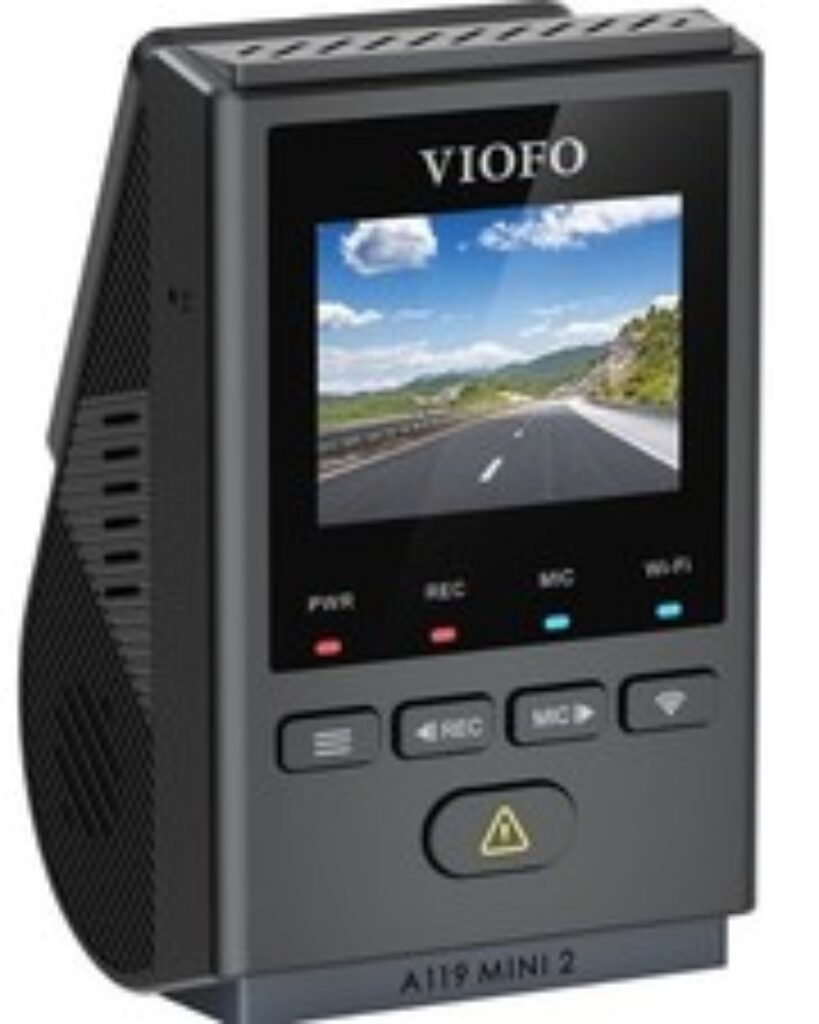
Dash cams
£30-60 for single-lens 1080p, £80+ if you want dual front-and-rear recording that’s actually reliable in the dark.
-
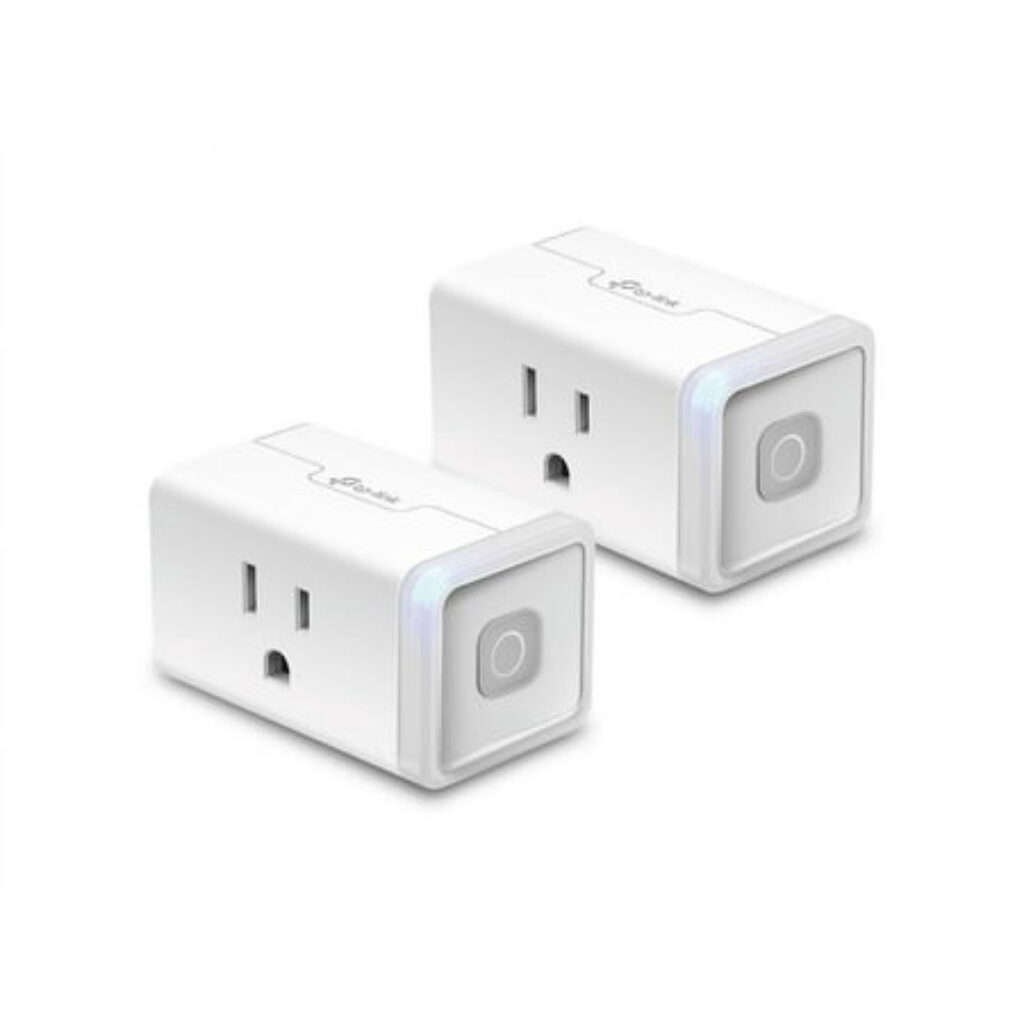
Smart home basics
£8-15 per smart plug or bulb from an established ecosystem (Alexa, Google Home, Matter-certified) — multi-packs bring this down further.
-
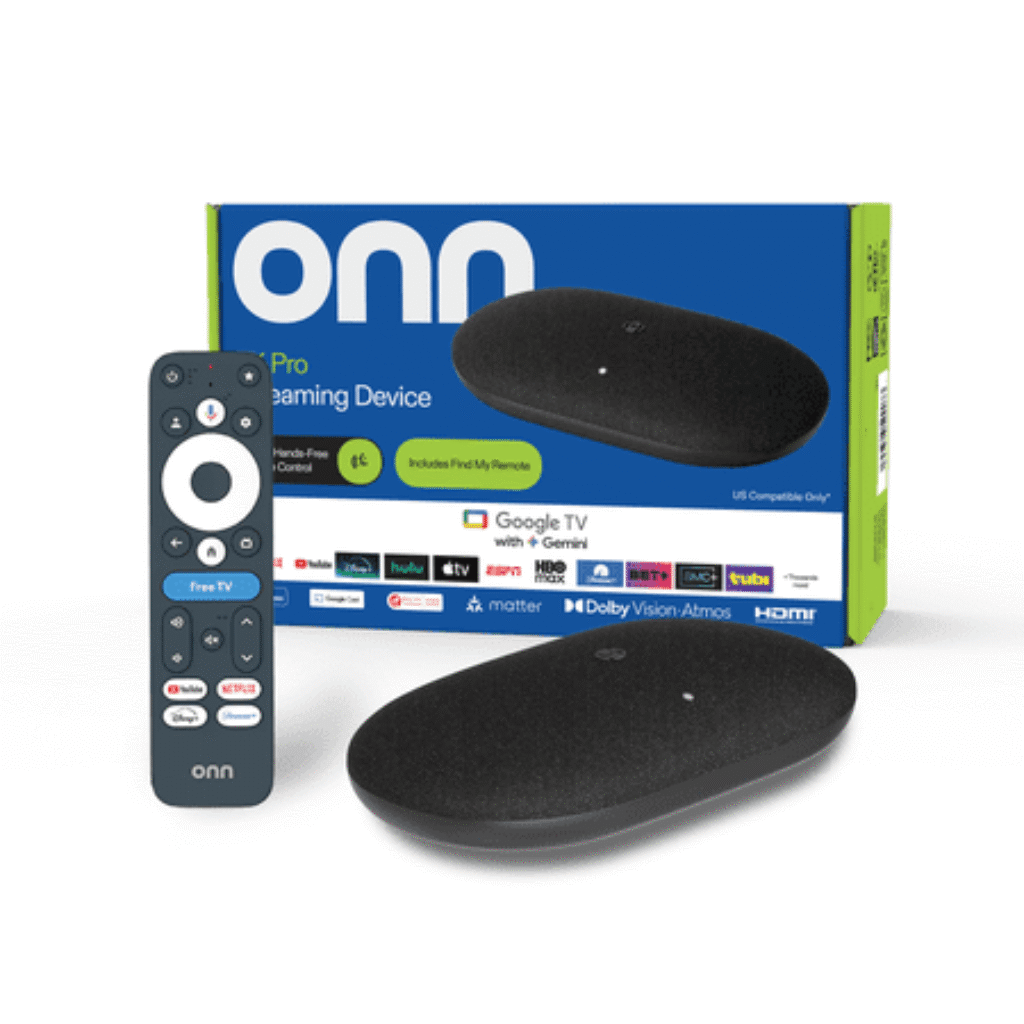
Streaming devices
£25-45 covers most current-generation sticks and boxes with real 4K support, not the older 1080p-only models still listed at similar prices.
When it's worth paying more
Budget electronics stop being the right call in a few specific situations: when the device holds anything irreplaceable (a drone you'll actually miss if it's lost, a dash cam whose footage might matter in an insurance claim), when it's something you'll use daily for years (a laptop, a main phone), or when the cheap version genuinely lacks a safety feature the pricier one has (obstacle avoidance on a drone, for instance). Outside those cases, the budget option in a mature category is usually the sensible buy, not the compromise.
Cheap electronics: frequently asked questions
Are cheap electronics from marketplace sellers safe to buy?
It depends more on the specific product category than the price. Wired, battery-free items are generally low-risk regardless of price; anything with a rechargeable battery or a network connection needs a stated safety certification and a real brand behind it.
What's the actual difference between a £20 and a £200 version of a similar-looking gadget?
Usually build quality, safety certification, ongoing software/firmware support, and after-sale support — not raw features, which can look identical on a spec sheet.
Is it worth buying refurbished electronics instead of new-budget?
Often yes for laptops and phones specifically, where a refurbished mid-range device tends to outperform a new budget one — less so for accessories like power banks, where refurbished doesn’t meaningfully apply.
How do I check if a cheap electronics listing is legitimate before buying?
Look for a stated brand (not just a generic product name), a real safety certification mark, and reviews that reference the specific product rather than generic five-star text. Our guide on spotting fake sellers covers this in more depth.
Do cheap electronics deals cluster around specific times of year in the UK?
Yes — Black Friday (27 November 2026), the post-Christmas January sales, and Amazon’s Prime Day events are when genuine price drops are most common. See our full sale calendar for exact 2026 dates.
Is a multi-pack of cheap smart plugs actually cheaper than buying one good one?
Usually yes on a per-unit basis, as long as the brand is Matter-certified or works natively with a major ecosystem — the main risk with ultra-cheap multi-packs is unclear long-term app support, not the hardware itself.
Key takeaways
- Category matters more than price Power banks, wired peripherals, and basic smart plugs are safe bets at low prices; drones and complex smart home gear need more scrutiny.
- Safety certification is non-negotiable Any device with a sealed rechargeable battery should carry a stated CE/UKCA mark — skip listings that don’t say.
- Real 2026 UK price bands Power banks £15-30, camera drones £100-180, dash cams £30-60+, smart plugs £8-15, streaming devices £25-45.
- Time big purchases around real sale windows Black Friday (27 Nov 2026), January sales, and Prime Day events are when genuine drops happen — see our sale calendar.
This guide covers categories and price sense-checking, not specific product picks — see our dedicated comparisons (dash cams, power banks, drones) linked below for real, currently-attached UK pricing on individual models.

Browse real electronics comparisons with live UK pricing
See current picks across dash cams, drones, power banks and more before you buy.